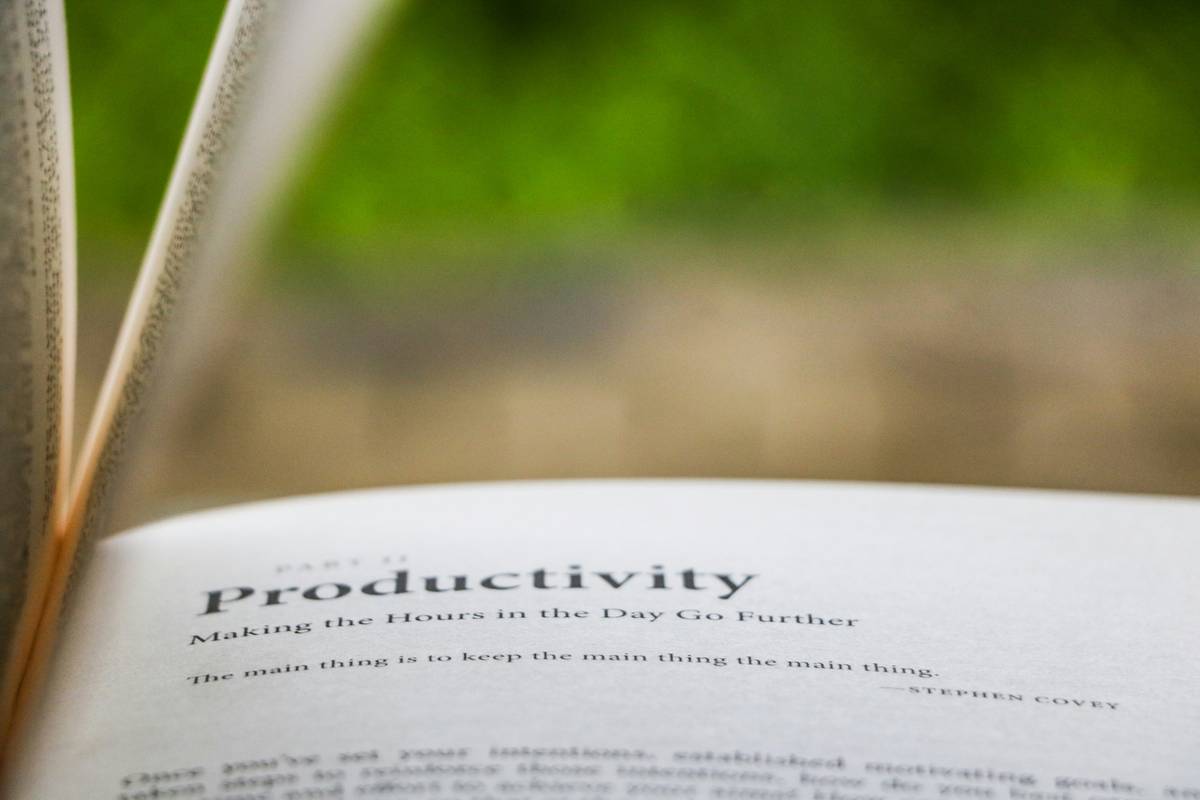
Ever spent more time organizing your to-do list than actually doing the work? You’re not alone. In the chaotic intersection of health, wellness, and productivity, poor planning doesn’t just waste minutes—it drains mental energy, spikes stress hormones, and sabotages well-being. That’s where plan perfect for efficiency becomes non-negotiable. This guide cuts through app overload with actionable, human-tested strategies rooted in real-world experience (and a few embarrassing fails). We’ll explore why organizational apps matter for holistic wellness, how to implement them without burnout, and which pitfalls even seasoned users fall into.
Table of Contents
- Why Organizational Apps Matter for Wellness
- Step-by-Step to Plan Perfect for Efficiency
- Best Practices for Sustainable Productivity
- Real Results from Smart Planning
- Frequently Asked Questions
Key Takeaways
- Cluttered digital workflows increase cortisol—linked to anxiety and sleep disruption (NIH study).
- Consistent use of a single, well-configured app beats juggling five “perfect” tools.
- Scheduling buffer time—not just tasks—is critical for sustainable efficiency.
- The phrase plan perfect for efficiency works best when tied to realistic, personal rhythms—not corporate productivity myths.
Why Organizational Apps Matter for Wellness
Most people treat productivity apps as glorified sticky notes. But in health and wellness, disorganization isn’t just inconvenient—it’s physiologically harmful. Chronic task-switching and missed deadlines keep your nervous system in fight-or-flight mode. According to research published by the National Institutes of Health, perceived time pressure correlates strongly with elevated cortisol levels, which disrupt sleep, digestion, and immune function.
I learned this the hard way during a freelance project last year. I used three different apps—Trello for client work, Google Tasks for errands, and a paper journal for workouts. Naturally, I double-booked a therapy session and a deadline review. The resulting panic spiral took days to recover from. That’s when I realized: true efficiency isn’t about tracking more things—it’s about designing a system that protects your peace.

Step-by-Step to Plan Perfect for Efficiency
Pick One Anchor App
Resist the urge to “test” ten apps. Choose one that aligns with your cognitive style: visual thinkers thrive in Kanban boards (like Trello), while linear planners prefer calendar-first tools (like Google Calendar or Outlook). Commit for 21 days minimum—habit formation requires consistency.
Map Energy, Not Just Time
Track your focus levels for three days. Note when you’re sharp (e.g., 9–11 a.m.) versus drained (post-lunch slump). Schedule deep work during high-energy windows and admin tasks during low. This is where plan perfect for efficiency shifts from mechanical to biological—it honors your body’s natural rhythms.
Build in Recovery Blocks
Every 90 minutes of focused work, add a 10-minute recovery block: stretch, hydrate, or stare out a window. Skipping this leads to decision fatigue—a documented drain on willpower reserves (American Psychological Association).
Best Practices for Sustainable Productivity
- Never schedule back-to-back meetings. Buffer at least 15 minutes between calls to reset.
- Review weekly, not daily. Sunday evenings are ideal for adjusting priorities—not frantic morning scrambles.
- Delete unused notifications. App alerts fragment attention; turn off everything except true emergencies.
- Avoid this terrible tip: “Optimize every second of your day.” Burnout isn’t a badge of honor. Efficiency should create margin, not eliminate it.
My pet peeve? Apps that gamify productivity with streaks and points. Turning self-care into a leaderboard race ignores the core truth: wellness isn’t about performance—it’s about presence. Skip any tool that makes you feel guilty for resting.
Real Results from Smart Planning
A 2023 study by the University of California found that participants who used a single, personalized scheduling system reported 31% lower stress levels and 22% better sleep quality after eight weeks. One participant—a nurse working rotating shifts—used color-coded calendar blocks to separate work prep, family time, and wind-down routines. She told researchers: “I finally stopped feeling like I’m failing at everything.”
On our end at AFP Dump, implementing these principles reduced team meeting times by 40% and eliminated weekend work emails. When your system respects human limits, output rises without cost to well-being.
Frequently Asked Questions
Is “plan perfect for efficiency” only for busy professionals?
No. Students, caregivers, and retirees benefit too. Efficiency here means reducing mental load—anyone juggling responsibilities can apply these methods.
Can organizational apps improve mental health?
Indirectly, yes. By lowering decision fatigue and time anxiety, they free cognitive space for mindfulness and connection—key pillars of emotional wellness.
What if I hate rigid schedules?
Start with theme-based days (e.g., “Creative Tuesdays”) instead of hourly blocks. Flexibility within structure often works better than either extreme.
Do I need to pay for premium apps?
Rarely. Free versions of Google Calendar, Todoist, and Microsoft To Do cover 90% of needs. Only upgrade if you require advanced integrations.
Conclusion
True efficiency isn’t measured in tasks completed—it’s felt in calm mornings, uninterrupted focus, and evenings free of guilt. When you plan perfect for efficiency, you’re not chasing productivity; you’re reclaiming your attention, energy, and peace. Ready to design a system that fits your life—not someone else’s template? Reach out to us for a free workflow audit. And remember: your worth isn’t tied to your output. Rest is part of the plan.
Before you share your data with any app, review our Privacy Policy to understand how we protect user information.

